
If you’ve ever wondered what’s so special about bison meat, you’re not alone. We’re diving into the juicy details of bison nutrition facts that will make you consider switching up your protein game. With a taste that’s richer and more savory than beef, bison is not just a delicious alternative but a nutrition powerhouse. So, grab your forks as we explore why this majestic animal is more than just a symbol of the wild, it’s a superfood too.
Overview of Bison Meat

Bison meat has been a staple for Indigenous peoples in North America for centuries, and it’s making quite the comeback today. Known for its rich flavor and tender texture, this meat is often touted as a healthier alternative to beef. Bison are typically pasture-raised and grass-fed, which contributes to their distinct taste and nutritional benefits. The rise in sustainable farming practices has further encouraged bison ranching, promoting both environmental stewardship and animal welfare. As we embrace more sustainable food choices, bison stands out as an excellent option rich in flavor and nutrients.
Nutritional Profile of Bison

When we talk about bison nutrition facts, we find that it’s a lean meat packed with protein. A single 3-ounce serving of cooked bison contains about 24 grams of protein, which is significantly higher than the same serving of chicken or beef. On top of that, it’s lower in fat. In fact, that same serving typically has only about 2-3 grams of fat, compared to beef that can have upwards of 10 grams.
Vitamins and Minerals
But the goodness doesn’t stop there. Bison is also rich in important vitamins and minerals, including:
- Vitamin B12: Essential for nerve function and blood cell production.
- Iron: Crucial for transporting oxygen in our blood.
- Zinc: Supports immune function and has antioxidant properties.
- Selenium: Plays a critical role in metabolism.
So, when we choose bison, we are not just opting for a tasty meal: we’re boosting our nutrient intake significantly.
Health Benefits of Bison

Including bison in our diet comes with a myriad of health benefits. To start with, its lower fat content makes it an ideal protein option for those watching their weight. Besides, the high protein content helps with muscle recovery and maintenance, which is great for us active folks.
Heart Health
Interestingly, bison is also good for heart health. It contains omega-3 fatty acids, albeit in smaller amounts than fatty fish, but every bit counts. These healthy fats can help reduce inflammation and lower cholesterol levels.
Muscle Gain and Repair
Also, because bison is rich in protein, it’s an excellent choice for anyone looking to gain or repair muscle. Whether we’re lifting weights or just lifting groceries, our bodies crave that high-quality protein across the board.
Comparing Bison to Other Meats
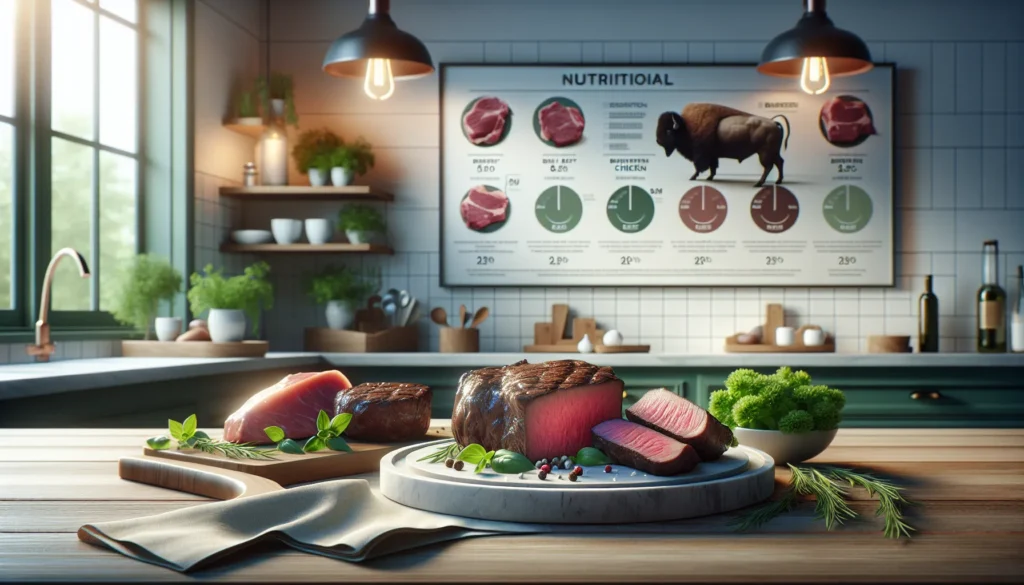
When we stack bison against other meats, it’s clear that bison has distinct advantages. For instance, if we compare bison to beef, we find it has lower calories and fat while still providing more protein per serving. Likewise, that makes it a compelling option for health-conscious eaters.
Let’s not overlook chicken, either. While chicken often gets lauded as the go-to lean protein, bison brings more flavor to the table. It’s like choosing between a thrilling carnival ride and a tepid merry-go-round, both have their merits, but one is far more exciting. Plus, the grass-fed nature of bison meat adds a unique taste profile that chicken simply can’t compete with.
Overall, it’s fair to say that bison holds its ground well compared to its peers in the meat aisle.
Cooking and Preparing Bison

So, how do we prepare and enjoy this tasty meat? Cooking bison requires a little finesse, as it is leaner than most meats. We should avoid overcooking it to maintain its tenderness. Cooking it to a medium-rare or medium doneness is usually recommended.
Popular Preparation Methods
- Grilling: This method locks in flavor and gives bison steaks an incredible char.
- Slow Cooking: Ideal for tougher cuts like shanks or chuck, producing tender, fall-off-the-bone meat.
- Sautéing: Quick and effective for ground bison: it makes for delicious burgers or bolognese.
When seasoning, we can keep it simple to let the natural flavors shine. A bit of salt and pepper goes a long way, but we can also embellish with garlic, rosemary, or a touch of balsamic glaze for added depth.

