
Have you ever found yourself standing in the cereal aisle, staring at those iconic boxes of Mini Wheats, wondering if they’re really as good for you as they seem? We’ve all been there. On one hand, they charm us with their crunchy bite and sweet frosting, while on the other, we’ve got this nagging concern about what’s actually behind that magical nutrition label. Join us as we unravel the delicious yet mysterious world of Mini Wheats nutrition facts, sprinkled with a dash of humor and a whole lot of useful insight.
Overview of Mini Wheats

Mini Wheats are not your average breakfast cereal. These delightful little squares are made from whole wheat and are known for their unique texture and sweet frosting. Fun fact: they are manufactured in various flavors that can cater to both the sweet tooth and those looking for something more on the wholesome side. Plus, they often tout various health benefits, making them a popular choice among nutrition enthusiasts.
But let’s face it: while they taste great and come in a fun package, we need to dive deeper into what exactly we’re feeding ourselves every morning.
Nutritional Breakdown
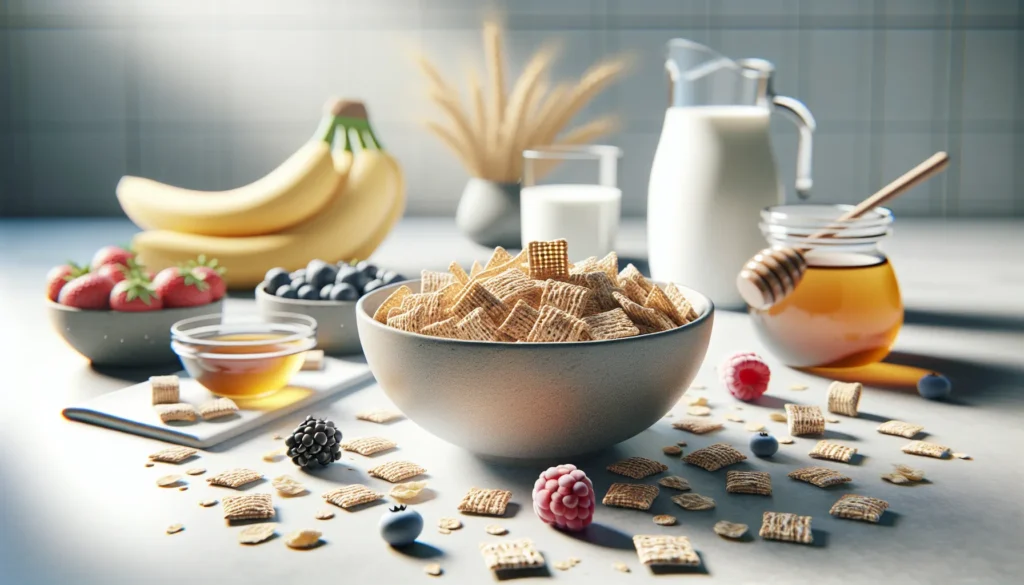
Vitamins and Minerals
When we dig into the nutritional breakdown of Mini Wheats, it becomes clear that they pack a punch in the vitamins and minerals department. A single serving typically includes essential nutrients like iron, calcium, and several B vitamins, like niacin and folic acid, which play key roles in our bodies, from supporting our energy levels to contributing to healthy cell production.
Fiber Content and Benefits
One of the stand-out features of Mini Wheats is their fiber content. We’re talking about around 5 grams of dietary fiber per serving. That’s about 20% of our daily recommended intake. Fiber helps keep our digestive system running smoothly, can aid in weight management, and even helps us feel fuller for longer, great news for those of us who might be tempted by mid-morning snacks.
Calories and Serving Size

Now let’s crunch some numbers. A typical serving size is about 60 grams, which equals approximately 60–70 Mini Wheats (yes, we did our math.). This serving contains around 190 calories. It’s important to keep in mind that this can vary slightly based on the flavor, that extra sprinkle of sweetness on a frosted version might add a few more calories. Still, compared to some cereals out there, Mini Wheats manage to remain fairly low-calorie, especially for a filling breakfast option.
Health Benefits of Mini Wheats
So, are Mini Wheats good for us? Absolutely. The combination of whole grains and fiber can contribute to heart health, making these squares a part of a balanced breakfast. They can also aid in regulating blood sugar levels, thanks to their fiber content. Plus, they’re easy to prepare. Just add milk or yogurt, toss in some fruits, and we have ourselves a wholesome meal that supports our overall wellness.
Considerations and Potential Drawbacks

But wait. It’s not all sunshine and rainbows in the Mini Wheats world. While they have their benefits, we also need to consider some potential drawbacks. For instance, the sugary frosting on Mini Wheats can be high in added sugars, which can be misleading for those of us trying to watch our sugar intake. Besides, those with gluten sensitivities or allergies should steer clear as Mini Wheats contain gluten from the wheat itself. Always important to check ingredients before we dig in.

